
LIMBURG, BROTHERS
Louvre is presented to Condé’s Museum.
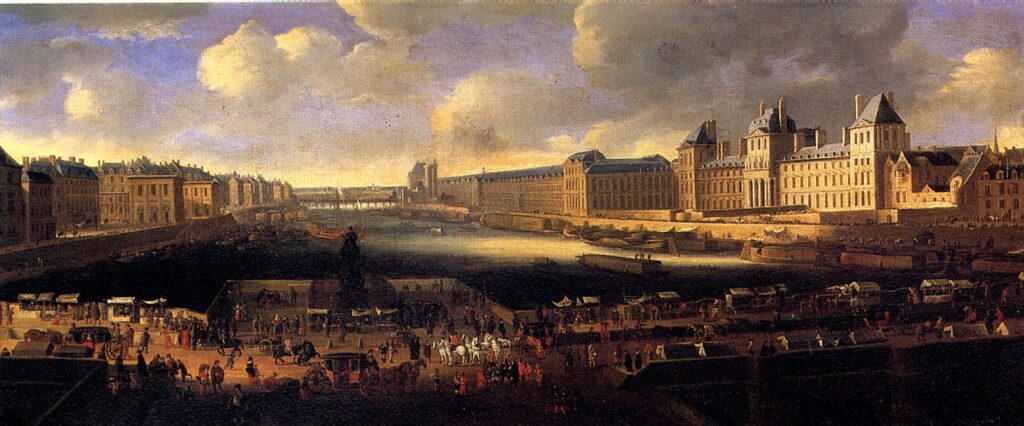
The larger gallery was newly trimmed and decorated with magnificent tapestries. Then all assumed that Louvre will become the main residence of Louis XIV who disposed also about large-scale operations in Tuileries where on Andre Lenotr’s projects splitting of new gardens was performed. The royal collection of paintings was transported from Fontainebleau and placed in the palace. From 1667 to 1670 Levo and Claude Perrault build principal, or east, a facade which shall frame the extensive area for ceremonies; the monarch selected the strictly balance Colonnade, and no more dynamic project provided to Giovanni Lorenzo Bernini. On this choice of the king often refer as to a significant example which showed aspirations of France which refused baroque in architecture.
In 1674 Louis XIV made a decision to make the official residence Versailles, as put an end to construction in Louvre. Some parts of the palace around the Square yard were left without roof; the royal parade-ground before the Colonnade was fated to remain only on paper, and decoration of Gallery of Apollo was completed only in the XIX century. The yard was in Versailles up to the Great French revolution, during short visitations by the king of Paris by the residence it was ministered by the Tuileries palace.
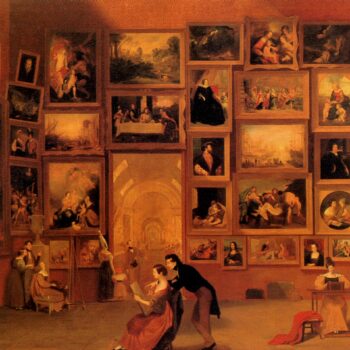
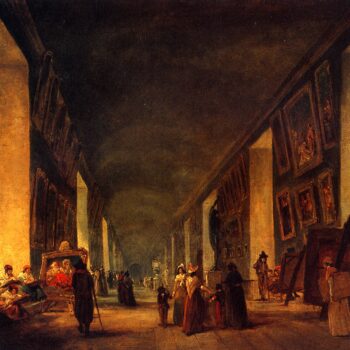
Thus, Louvre stopped being the monarchy character. However within the 18th century the left palace received other at least informative value. Among the organizations occupying Louvre buildings there were also numerous royal Academies. In 1699. The royal Academy of painting and sculpture got permission to use Larger gallery for show to the audience of operations of her masters at Louis XIV. The exhibition made huge success. Since 1725 (and up to 1848) such exhibitions were held regularly at the end of Big gallery – in Big Interior (it also called Square Interior), from which they also received the name “Interior”. Ministering to culture became assignment of the palace. In Big gallery till 1777 (before transfer to the Palace of Disabled people) the well-known cards of the cities of France were placed, and in adjacent location the royal meeting of a figure was located. Besides, huge “caravanserai” what looked Louvre, was used by many artists under the workshops visited by crowds of clients and just curious. It is not surprising that in article about Louvre in “Encyclopedia” by Denis Diderot the sentence was voiced in 1765 to use Louvre for show of royal collections to general public (not only patterns and a sculpture, but also funds for natural history, medals and jewelry and also plans of the cities mentioned above) and for a permanent location of Academies.
Thus, Louvre stopped being the monarchy character. However within the 18th century the left palace received other at least informative value. Among the organizations occupying Louvre buildings there were also numerous royal Academies. In 1699. The royal Academy of painting and sculpture got permission to use Larger gallery for show to the audience of operations of her masters at Louis XIV. The exhibition made huge success. Since 1725 (and up to 1848) such exhibitions were held regularly at the end of Big gallery – in Big Interior (it also called Square Interior), from which they also received the name “Interior”. Ministering to culture became assignment of the palace. In Big gallery till 1777 (before transfer to the Palace of Disabled people) the well-known cards of the cities of France were placed, and in adjacent location the royal meeting of a figure was located. Besides, huge “caravanserai” what looked Louvre, was used by many artists under the workshops visited by crowds of clients and just curious. It is not surprising that in article about Louvre in “Encyclopedia” by Denis Diderot the sentence was voiced in 1765 to use Louvre for show of royal collections to general public (not only patterns and a sculpture, but also funds for natural history, medals and jewelry and also plans of the cities mentioned above) and for a permanent location of Academies.